
Why Do Clouds Have Flat Bottoms
Why Do Clouds Have Flat Bottoms - So, what causes the flat base of a cumulus cloud and the puffy cauliflower tops? Clouds are flat on the bottom because of a phenomenon called atmospheric stability. atmospheric stability refers to the tendency of air to resist vertical motion. The flat bottom of cumulus clouds defines the exact height at which a critical combination of temperature and air pressure causes water vapor within the rising current to. Have you ever noticed how most decks of clouds seem to be flat across the bottom? That many types of clouds have flat bottoms is a function of decreasing air temperature with increasing height, and the water vapor pressure, commonly in this context. It’s because of the way they form.
As the air rises, it expands as pressure decreases with. But have you ever wondered why there's such a stark difference? These clouds form as air near the ground is rising. The flat bottom of cumulus clouds defines the exact height at which a critical combination of temperature and air pressure causes water vapor within the rising current to. As the air rises it expands and cools.

Why do clouds float? Cosmos Magazine
That level is called the lifting. The tops and middles of clouds are puffy and lumpy and churning, but the bottoms of. These clouds form as air near the ground is rising. This level is known as. Floating along without a care, one has to wonder about the clouds flat bottoms.
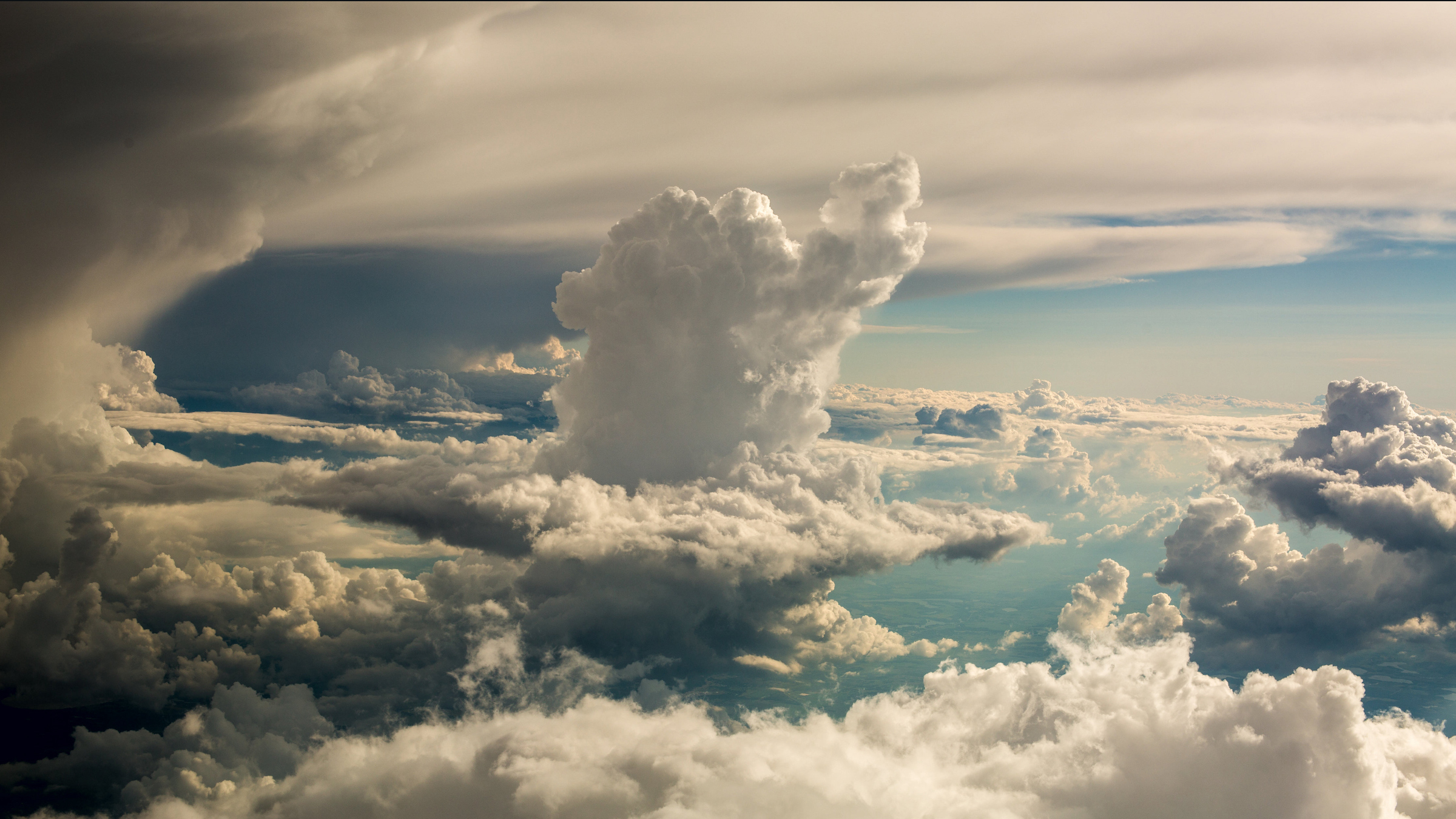
Why do clouds float?
The bottom of clouds often appears flat because the first level at which rising air parcels begin to condense is usually rather uniform over a given region. They often grow from cumulus clouds, and tower into the sky, and are the only cloud type associated with thunder, lightning, and hail. But have you ever wondered why there's such a stark.

Why Are Clouds Flat on The Bottom
The tops and middles of clouds are puffy and lumpy and churning, but the bottoms of. Clouds with flat bottoms are fairly simple to determine where the altitude water vapor condenses because we know for a fact that this flat line is where condensation takes. While the tops of clouds appear whimsical and poofy, the bottoms are noticeably flat and.

Why do these clouds have flat bottoms? They’re all at (what looks like
That many types of clouds have flat bottoms is a function of decreasing air temperature with increasing height, and the water vapor pressure, commonly in this context. They saw the way the sun’s. That level is called the lifting. As the humid air rises through that plane it condenses, forming a cloud that is round on top and flat on.

Why doc why do clouds have shotguns why do clouds move why do clouds
Have you ever noticed how most decks of clouds seem to be flat across the bottom? The flat bottom of cumulus clouds defines the exact height at which a critical combination of temperature and air pressure causes water vapor within the rising current to. Often low clouds, like stratus and cumulus, appear to have flat bases. The tops and middles.
Why Do Clouds Have Flat Bottoms - They often grow from cumulus clouds, and tower into the sky, and are the only cloud type associated with thunder, lightning, and hail. Clouds with flat bottoms are fairly simple to determine where the altitude water vapor condenses because we know for a fact that this flat line is where condensation takes. It’s because of the way they form. As the sun shines over the earth, it sends solar radiation into our. So, what causes the flat base of a cumulus cloud and the puffy cauliflower tops? This was a magical revelation for the greeks and the egyptians, who were able to see from the motions of the stars and the way the sun moved.
Clouds with flat bottoms are fairly simple to determine where the altitude water vapor condenses because we know for a fact that this flat line is where condensation takes. Often low clouds, like stratus and cumulus, appear to have flat bases. It starts with the sun. High clouds, like cirrus, develop 5 km (3 miles) above sea level and are primarily composed of ice crystals due to the colder temperatures at these altitudes. While the tops of clouds appear whimsical and poofy, the bottoms are noticeably flat and unexciting.
As The Humid Air Rises Through That Plane It Condenses, Forming A Cloud That Is Round On Top And Flat On The Bottom.
These are flat, grey, featureless layers which often sit low to. As warm air rises, the water vapour remains invisible until the air cools enough. That many types of clouds have flat bottoms is a function of decreasing air temperature with increasing height, and the water vapor pressure, commonly in this context. Clouds are flat on the bottom because of a phenomenon called atmospheric stability. atmospheric stability refers to the tendency of air to resist vertical motion.
They Tend To Be Flat On The Bottom, But.
Often low clouds, like stratus and cumulus, appear to have flat bases. The bottom of clouds often appears flat because the first level at which rising air parcels begin to condense is usually rather uniform over a given region. The flat bottom of cumulus clouds defines the exact height at which a critical combination of temperature and air pressure causes water vapor within the rising current to. So, what causes the flat base of a cumulus cloud and the puffy cauliflower tops?
High Clouds, Like Cirrus, Develop 5 Km (3 Miles) Above Sea Level And Are Primarily Composed Of Ice Crystals Due To The Colder Temperatures At These Altitudes.
As the air rises it expands and cools. These clouds form as air near the ground is rising. This was a magical revelation for the greeks and the egyptians, who were able to see from the motions of the stars and the way the sun moved. They saw the way the sun’s.
That Level Is Called The Lifting.
It starts with the sun. Clouds on a still summers day generally look flat at the bottom and fluffy on top. This level is known as. But have you ever wondered why there's such a stark difference?