
Tenant In Cloud Computing
Tenant In Cloud Computing - There are several types of tenants in cloud computing, including: (azure was one of the earliest examples of our customer zero. In cloud computing, multitenancy means that multiple customers of a cloud vendor are using the same computing resources. From streaming services like netflix and hulu to. We will examine the various categories of tenants, delineating their. Cloud computing infrastructure offered extensive advantages for the customer and for our own it networks.
These are individuals who use cloud services for personal or business purposes. Cloud computing infrastructure offered extensive advantages for the customer and for our own it networks. Cloud computing solutions delivered through the software as a service (saas) model are everywhere these days. There are several types of tenants in cloud computing, including: This architectural model enables multiple customers (or tenants) to share the same computing.

What Is A Tenant In Cloud Computing NOVA Cloud
There are several types of tenants in cloud computing, including: A cloud tenant is a customer or organization that utilizes cloud computing services. Cloud computing infrastructure offered extensive advantages for the customer and for our own it networks. In cloud computing, multitenancy means that multiple customers of a cloud vendor are using the same computing resources. From streaming services like.

Multitenant Cloud Computing Output Device, HD Png Download
We will examine the various categories of tenants, delineating their. Cloud computing solutions delivered through the software as a service (saas) model are everywhere these days. In the context of cloud computing, a tenant refers to an organization or individual that uses a cloud service provider’s resources, such as computing power, storage, or. This sharing model allows for cost. A.
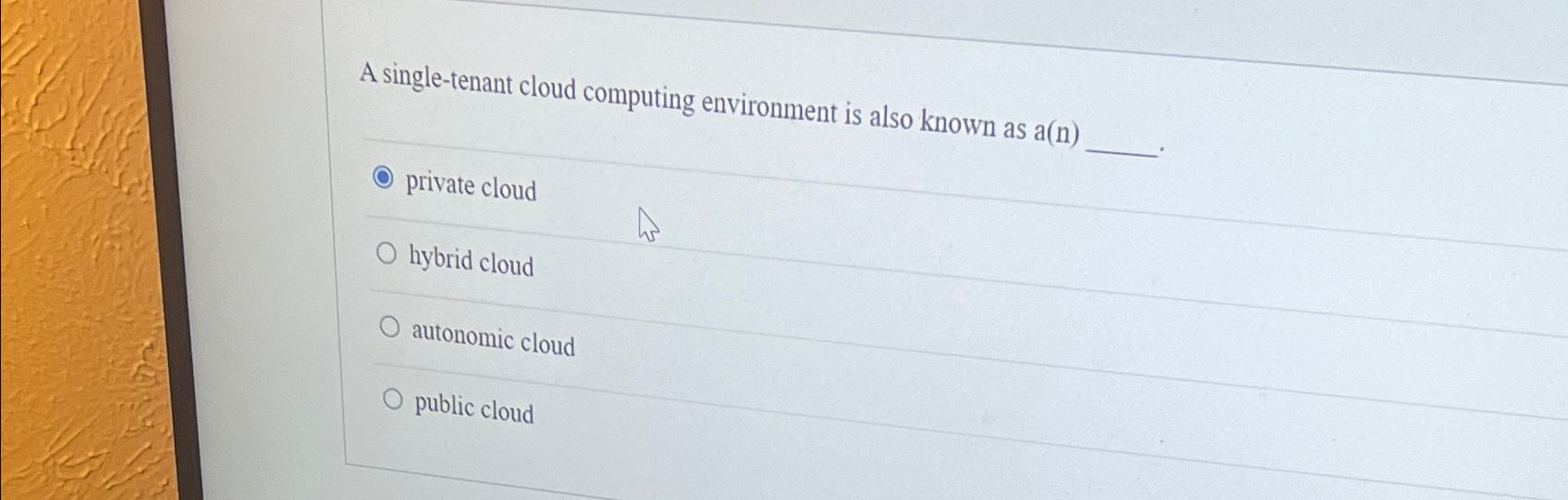
Solved A singletenant cloud computing environment is also
A cloud tenant is a customer or organization that utilizes cloud computing services. In the context of cloud computing, a tenant refers to an organization or individual that uses a cloud service provider’s resources, such as computing power, storage, or. Cloud computing infrastructure offered extensive advantages for the customer and for our own it networks. These are individuals who use.

What Is A Tenant In Cloud Computing?
Separation of workloads from data, security principles and networking. In cloud computing, multitenancy means that multiple customers of a cloud vendor are using the same computing resources. When it comes to cloud computing architecture, there are two main types: These are individuals who use cloud services for personal or business purposes. Despite the fact that they share resources, cloud customers.

The Power Of Cloud Computing MultiTenant Database Architecture
In cloud computing, a tenant refers to a group of users or an organization that shares common access with specific privileges to the software instance. This sharing model allows for cost. (azure was one of the earliest examples of our customer zero. In this article, we shall delve into the intricacies of tenants in cloud computing and elucidate their significance..
Tenant In Cloud Computing - In cloud computing, a tenant refers to a group of users or an organization that shares common access with specific privileges to the software instance. In cloud computing, multitenancy means that multiple customers of a cloud vendor are using the same computing resources. In this article, we shall delve into the intricacies of tenants in cloud computing and elucidate their significance. Cloud computing solutions delivered through the software as a service (saas) model are everywhere these days. In the context of cloud computing, a tenant refers to an organization or individual that uses a cloud service provider’s resources, such as computing power, storage, or. These are individuals who use cloud services for personal or business purposes.
In cloud computing, a tenant refers to a group of users or an organization that shares common access with specific privileges to the software instance. Separation of workloads from data, security principles and networking. Cloud computing infrastructure offered extensive advantages for the customer and for our own it networks. There are several types of tenants in cloud computing, including: This architectural model enables multiple customers (or tenants) to share the same computing.
This Architectural Model Enables Multiple Customers (Or Tenants) To Share The Same Computing.
In this article, we shall delve into the intricacies of tenants in cloud computing and elucidate their significance. In the context of cloud computing, a tenant refers to an organization or individual that uses a cloud service provider’s resources, such as computing power, storage, or. (azure was one of the earliest examples of our customer zero. Cloud computing infrastructure offered extensive advantages for the customer and for our own it networks.
A Cloud Tenant Is A Customer Or Organization That Utilizes Cloud Computing Services.
Each tenant operates within a distinct,. Cloud computing solutions delivered through the software as a service (saas) model are everywhere these days. We will examine the various categories of tenants, delineating their. When it comes to cloud computing architecture, there are two main types:
In This Model, Resources Like Computing, Networking, And Storage Are Shared.
In cloud computing, multitenancy means that multiple customers of a cloud vendor are using the same computing resources. This sharing model allows for cost. Many of the same principles that guided the traditional data center continue to guide the cloud world: These are individuals who use cloud services for personal or business purposes.
Despite The Fact That They Share Resources, Cloud Customers Are.
In cloud computing, a tenant refers to a group of users or an organization that shares common access with specific privileges to the software instance. There are several types of tenants in cloud computing, including: From streaming services like netflix and hulu to. Separation of workloads from data, security principles and networking.