
How Do Clouds Move
How Do Clouds Move - Clouds can be classified based on their altitude and the processes that form them. Clouds move in response to the local winds. Clouds form when water vapor in the atmosphere cools and condenses into liquid droplets or ice crystals. For instance, high cirrus clouds can travel at a speed of more. Clouds are formed when water vapor condenses into droplets, which are suspended instead of dissolved in the air. Cloud movement depends on wind speed, altitude, and the type of cloud.
Clouds move in response to the local winds. The plants use the water to grow more leaves, and the leaves support more bacteria, which rise. Although the air immediately around you may be still, the winds are far stronger thousands of metres higher up. For instance, high cirrus clouds can travel at a speed of more. While the earth’s spinning does have an effect, you’re not seeing.

Do Clouds Move or Do We Move? (Learn Here!)
How do clouds move around the world? Clouds move primarily due to wind, the force that propels them through the atmosphere. By convention, the direction of movement of a cloud is the direction from which the cloud moves. Find out how fast clouds move and how to make a cloud in a jar. Find out the ingredients, conditions, and.
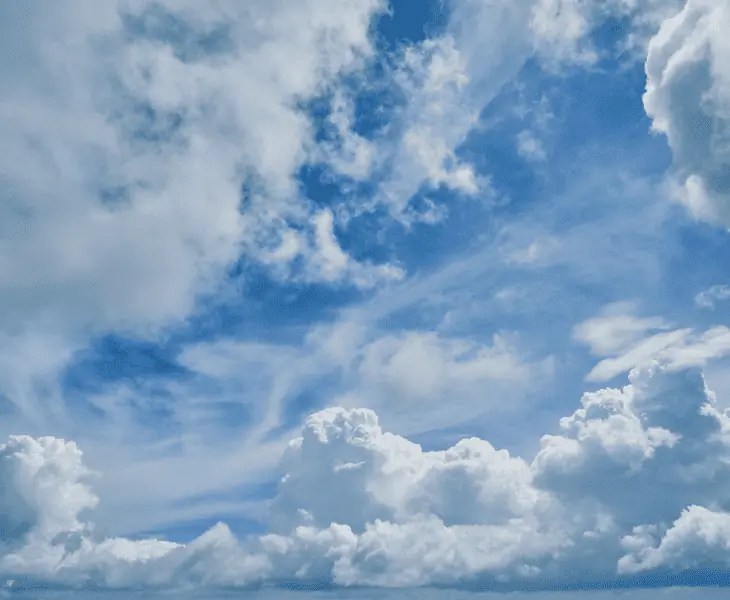
Do Clouds Move or Do We Move? (Learn Here!)
Clouds are formed when water vapor condenses into droplets, which are suspended instead of dissolved in the air. Although the air immediately around you may be still, the winds are far stronger thousands of metres higher up. Cloud movement depends on wind speed, altitude, and the type of cloud. Wind occurs at all levels of the atmosphere from the ground.

How Fast Do Clouds Move? WeatherStationPro
Learn how clouds move due to convection, wind patterns, and temperature inversion. Clouds can be classified based on their altitude and the processes that form them. A big misconception a lot of people have is that when you see clouds move, they’re not actually moving. The plants use the water to grow more leaves, and the leaves support more bacteria,.

How Fast Do Clouds Move?
Losing moisture causes the cloud to dissolve into the warmer air closer to the earth, which evaporates any remaining moisture and erases the cloud altogether. Clouds are made up of water vapour, which may later fall to the ground as rain, hail or snow. Clouds can be classified based on their altitude and the processes that form them. Clouds move.
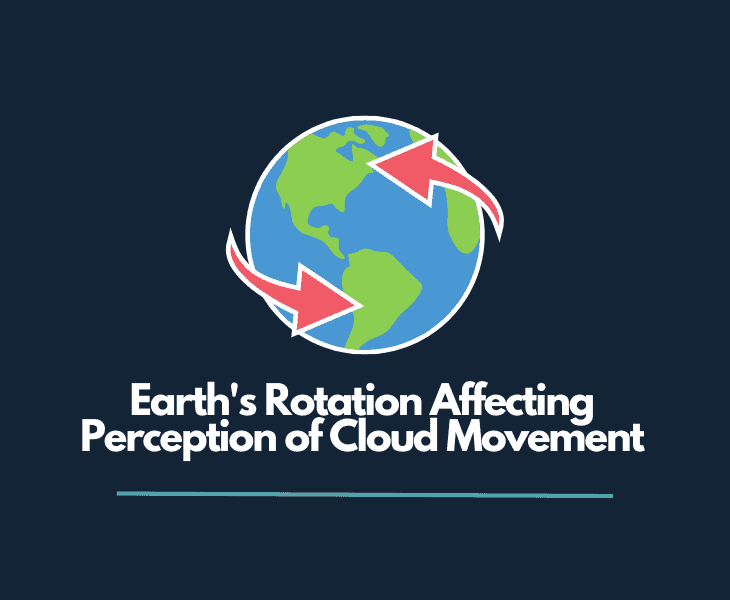
Do Clouds Move or Do We Move? (Learn Here!)
Clouds move in response to the local winds. For instance, high cirrus clouds can travel at a speed of more. The plants use the water to grow more leaves, and the leaves support more bacteria, which rise. Find out how fast clouds move and how to make a cloud in a jar. High clouds, like cirrus, develop 5 km (3.
How Do Clouds Move - Cloud movement depends on wind speed, altitude, and the type of cloud. They move and change shape, encouraging you to think about your feelings and the ups and. Cold air can’t hold as much water vapour. Clouds form when water vapor in the atmosphere cools and condenses into liquid droplets or ice crystals. Clouds are formed when water vapor condenses into droplets, which are suspended instead of dissolved in the air. How do clouds move around the world?
Clouds are formed when water vapor condenses into droplets, which are suspended instead of dissolved in the air. Although the air immediately around you may be still, the winds are far stronger thousands of metres higher up. Clouds can be classified based on their altitude and the processes that form them. They move and change shape, encouraging you to think about your feelings and the ups and. The earth’s rotation, however, influences these winds and contributes to our.
The Higher Up You Go In The Sky, The Faster The Clouds Move.
Losing moisture causes the cloud to dissolve into the warmer air closer to the earth, which evaporates any remaining moisture and erases the cloud altogether. Learn how clouds move due to convection, wind patterns, and temperature inversion. Clouds form when water vapor in the atmosphere cools and condenses into liquid droplets or ice crystals. The plants use the water to grow more leaves, and the leaves support more bacteria, which rise.
For Instance, High Cirrus Clouds Can Travel At A Speed Of More.
Clouds can be classified based on their altitude and the processes that form them. Although the air immediately around you may be still, the winds are far stronger thousands of metres higher up. Clouds are formed when water vapor condenses into droplets, which are suspended instead of dissolved in the air. The earth’s rotation, however, influences these winds and contributes to our.
Cloud Movement Depends On Wind Speed, Altitude, And The Type Of Cloud.
Clouds move primarily due to wind, the force that propels them through the atmosphere. This is usually caused by a quick change in temperature, like when warm. Learn how clouds are formed, how they influence earth's energy balance and climate, and why they are an important area of study for nasa. They move and change shape, encouraging you to think about your feelings and the ups and.
When You Look Up At The Sky, Clouds Tell Stories About Change And New Beginnings.
Most clouds form in the troposphere, the lowest layer of the atmosphere. It depends on the situation and the type of cloud that determines the speed. Clouds move because the wind is carrying the parcel of cloudy air along. Clouds move in response to the local winds.