
Clouds In Front Of Moon
Clouds In Front Of Moon - Of course one can make out some structure (like we do with light and dark dust clouds in front of or embedded in the milkyway, with some directions offering more stars (towards our galaxy's centre) and others less. A curious sidebar, ganymede is listed as the largest moon by diameter, but because of it's atmosphere, titan appears larger. To everyone wondering what the real colour of moon is, well look at amber brown tint around the moon in the described situation (ie photo in the question). No, not all total lunar eclipses will turn the moon deep red. A few seconds before the predicted transit time, just start your camera taking a long sequence of images, starting a few seconds before the predicted transit and wait. Most of them do, but not all.
The two angles you marked now could be anything, it's just a coincidence that the sun and the moon cover more or less the same solid angle (their angular diameter is 31.6 to 32.7 and 29.3 to 34.1 minutes, respectively) when observed from the surface of the earth. Most of them do, but not all. Because of ice in it's upper atmosphere and low gravity, titan's atmosphere remains reflective for a significant distance. Once the milkyway and the andromeda galaxy start to interact more intensely, andromeda will become more and more like our own milkyway. It's visibly larger on accurate moon charts.

Full Moon Behind Clouds · Free Stock Photo
A bit of blu is removed by our sky of course but that is the most close to the real colour you. If you were standing on the moon during the eclipse, you'd see the earth passing in front of, and obscuring, the sun. The two angles you marked now could be anything, it's just a coincidence that the sun.

Moon and Clouds Backgrounds, Widescreen Moon and Clouds, 17837
Because of ice in it's upper atmosphere and low gravity, titan's atmosphere remains reflective for a significant distance. Both the moon and the clouds shine by reflected sunlight, so they're both the same color. A small moon, located at a l4 or l5 point formed from a parent planet and larger moon, is in effect an orbiter about both larger.
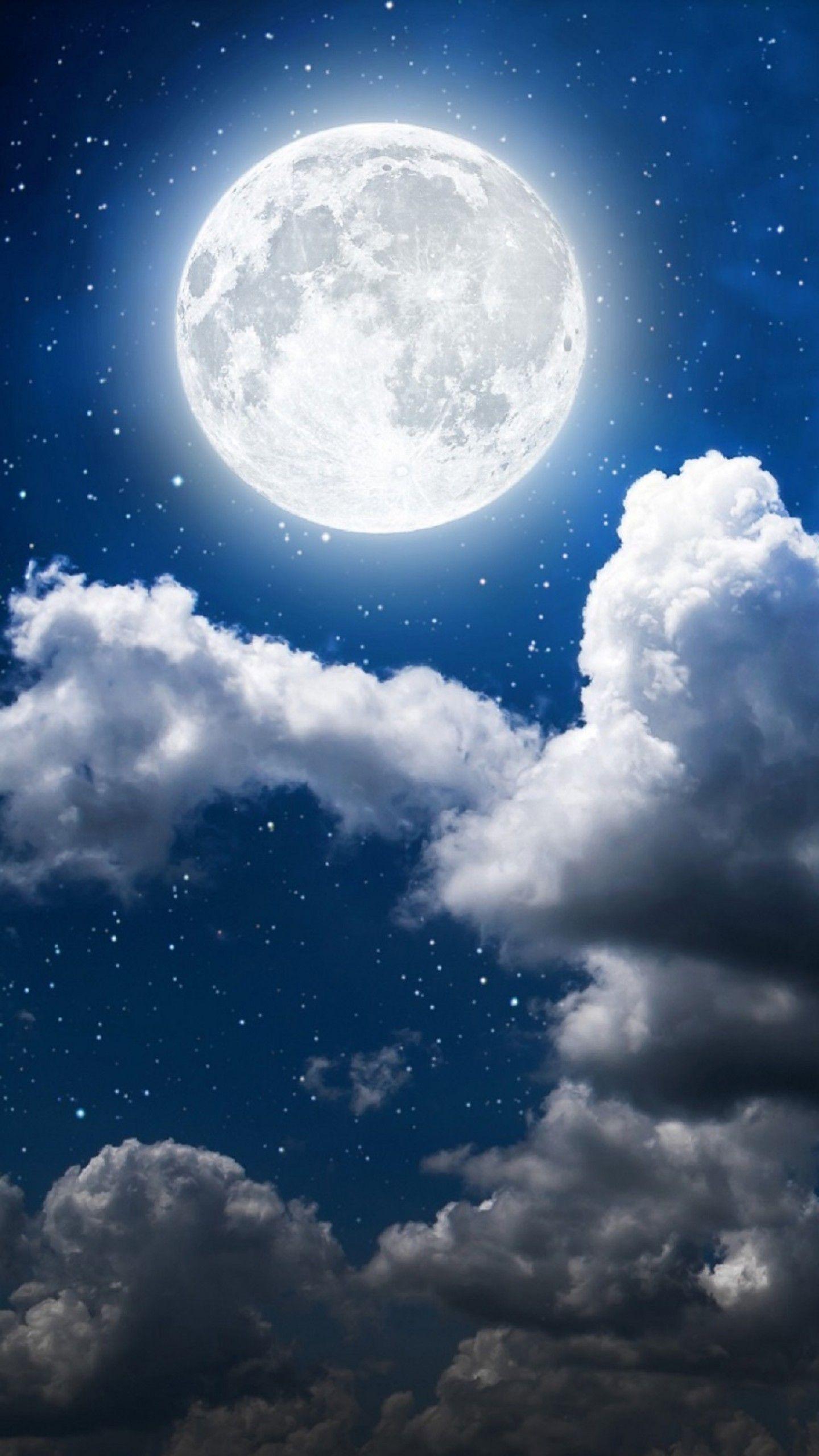
Moon and Clouds Wallpapers Top Free Moon and Clouds Backgrounds
Most of them do, but not all. Of course one can make out some structure (like we do with light and dark dust clouds in front of or embedded in the milkyway, with some directions offering more stars (towards our galaxy's centre) and others less. Once the milkyway and the andromeda galaxy start to interact more intensely, andromeda will become.

Moon Setting Behind Clouds by Captain Kimo HDR Photography by Captain
Once the milkyway and the andromeda galaxy start to interact more intensely, andromeda will become more and more like our own milkyway. A curious sidebar, ganymede is listed as the largest moon by diameter, but because of it's atmosphere, titan appears larger. To everyone wondering what the real colour of moon is, well look at amber brown tint around the.

Moon Clouds Full · Free photo on Pixabay
If you were standing on the moon during the eclipse, you'd see the earth passing in front of, and obscuring, the sun. But the earth will never become fully dark, even when the sun is fully covered. Of course one can make out some structure (like we do with light and dark dust clouds in front of or embedded in.
Clouds In Front Of Moon - To everyone wondering what the real colour of moon is, well look at amber brown tint around the moon in the described situation (ie photo in the question). Because of ice in it's upper atmosphere and low gravity, titan's atmosphere remains reflective for a significant distance. Gliese 710 will pass at 0.06 ly of us in 1.28 million years, so isn't it very probable that we have been thro. Of course one can make out some structure (like we do with light and dark dust clouds in front of or embedded in the milkyway, with some directions offering more stars (towards our galaxy's centre) and others less. Once the milkyway and the andromeda galaxy start to interact more intensely, andromeda will become more and more like our own milkyway. A bright ring will always surround the earth.
A bright ring will always surround the earth. Because of ice in it's upper atmosphere and low gravity, titan's atmosphere remains reflective for a significant distance. It's albedo is about 12%) clouds are (usually) light gray with an albedo ranging from 10% to 90%. Of course one can make out some structure (like we do with light and dark dust clouds in front of or embedded in the milkyway, with some directions offering more stars (towards our galaxy's centre) and others less. No, not all total lunar eclipses will turn the moon deep red.
Because Of Ice In It's Upper Atmosphere And Low Gravity, Titan's Atmosphere Remains Reflective For A Significant Distance.
If you were standing on the moon during the eclipse, you'd see the earth passing in front of, and obscuring, the sun. A few seconds before the predicted transit time, just start your camera taking a long sequence of images, starting a few seconds before the predicted transit and wait. Once the milkyway and the andromeda galaxy start to interact more intensely, andromeda will become more and more like our own milkyway. Set up, and start tracking the moon (if you can), set your exposure time so the moon is not saturating your sensor, which can be a problem with such a fast (f/4.4?) system.
Both The Moon And The Clouds Shine By Reflected Sunlight, So They're Both The Same Color.
Most of them do, but not all. A small moon, located at a l4 or l5 point formed from a parent planet and larger moon, is in effect an orbiter about both larger objects simultaneously. It's visibly larger on accurate moon charts. Of course one can make out some structure (like we do with light and dark dust clouds in front of or embedded in the milkyway, with some directions offering more stars (towards our galaxy's centre) and others less.
To Everyone Wondering What The Real Colour Of Moon Is, Well Look At Amber Brown Tint Around The Moon In The Described Situation (Ie Photo In The Question).
No, not all total lunar eclipses will turn the moon deep red. The two angles you marked now could be anything, it's just a coincidence that the sun and the moon cover more or less the same solid angle (their angular diameter is 31.6 to 32.7 and 29.3 to 34.1 minutes, respectively) when observed from the surface of the earth. It's albedo is about 12%) clouds are (usually) light gray with an albedo ranging from 10% to 90%. Then i'll try try again sir.the sky is cloudy but the moon is visible with our naked eyes.why it is appeared in so cloudy night sky.because the moon is it in rotation curve or orbital path.the frequency of the light of the moon is more than the breaking clouds motion.the moon have been appeared due to thin condensation of clouds over the sky.besides stars are dim.
A Curious Sidebar, Ganymede Is Listed As The Largest Moon By Diameter, But Because Of It's Atmosphere, Titan Appears Larger.
A bit of blu is removed by our sky of course but that is the most close to the real colour you. A bright ring will always surround the earth. (its color is about the same as fresh asphalt! But the earth will never become fully dark, even when the sun is fully covered.