
Cloud Clearance And Visibility Requirements
Cloud Clearance And Visibility Requirements - If the visibility is less than 3 statute miles but not less than 1 statute mile during night hours and you are operating in an airport traffic pattern within 1 ⁄ 2 mile of the runway, you may operate. No person may operate an ultralight vehicle when the flight visibility or distance from clouds is less than that in the table found below. One mile visibility and clear of clouds is the daytime requirement. § 103.23 flight visibility and cloud clearance requirements. No person may operate an ultralight vehicle when the flight visibility or distance from clouds is less than that in the table found below. § 103.23 flight visibility and cloud clearance requirements.
Above 10,000 flight visibility changes, you will need a visibility of 5 sm and the cloud clearance requirements are. § 103.23 flight visibility and cloud clearance requirements. Discover how cloud policies can enable technology trustworthiness, support digital transformation, and reduce unnecessary burdens and restrictions. No person may operate an ultralight vehicle when the flight visibility or distance from clouds is less than that in the table found below. 12 rows § 103.23 flight visibility and cloud clearance requirements.

Cloud Requirements A detailed discussion on three types of cloud
1,000 feet above, 500 feet. Discover how cloud policies can enable technology trustworthiness, support digital transformation, and reduce unnecessary burdens and restrictions. § 103.23 flight visibility and cloud clearance requirements. Above 10,000 flight visibility changes, you will need a visibility of 5 sm and the cloud clearance requirements are. No person may operate an ultralight vehicle when the flight visibility.
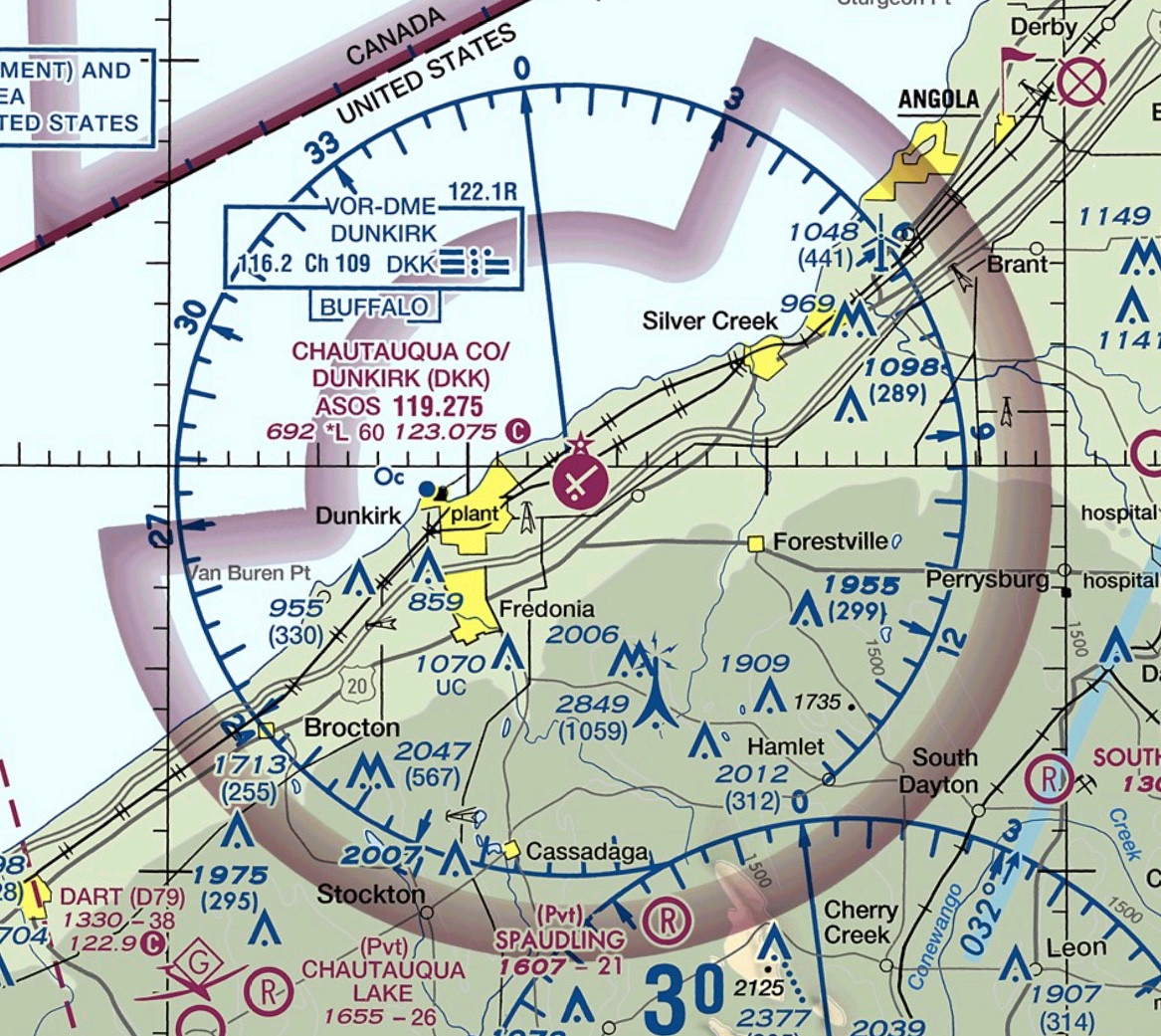
Airspace Cloud Requirements
No person may conduct a parachute operation , and no pilot in command of an aircraft may allow a parachute operation. One mile visibility and clear of clouds is the daytime requirement. For this reason, the faa has established requirements for cloud clearance and flight visibility to ensure that all aircraft operating under vfr can do so safely. § 105.17.

Cloud Clearance Requirements To Know By Heart Angle of Attack
14 cfr § 91.155 basic vfr. § 103.23 flight visibility and cloud clearance requirements. If the visibility is less than 3 statute miles but not less than 1 statute mile during night hours and you are operating in an airport traffic pattern within 1 ⁄ 2 mile of the runway, you may operate. Learn more about the cfr. What are.

Explain the different cloud service requirements. » Sirf Padhai
1,000 feet above, 1,000 feet below, 1 mile horizontal) under 10k: § 103.23 flight visibility and cloud clearance requirements. Effective governance, enforcing security controls, defining responsibilities, and maintaining environmental visibility is essential but challenging in dynamic cloud. § 103.23 flight visibility and cloud clearance requirements. (a) into or through a cloud, or.

Cloud Clearance Requirements To Know By Heart Angle of Attack
36 rows if the visibility is less than 3 statute miles but not less than 1 statute mile during night. This is the most recent version available on this website. (a) into or through a cloud, or. For this reason, the faa has established requirements for cloud clearance and flight visibility to ensure that all aircraft operating under vfr can.
Cloud Clearance And Visibility Requirements - At night, requirements jump to three miles visibility and from merely clear of clouds to 500 feet below,. § 105.17 flight visibility and clearance from cloud requirements. 14 cfr § 91.155 basic vfr. No person may conduct a parachute operation , and no pilot in command of an aircraft may allow a parachute operation. In general, when in class e, d or c, you must remain 500 feet below, 2,000 feet laterally or 1,000 feet above any clouds. Discover how cloud policies can enable technology trustworthiness, support digital transformation, and reduce unnecessary burdens and restrictions.
This is the most recent version available on this website. § 105.17 flight visibility and clearance from cloud requirements. At night, requirements jump to three miles visibility and from merely clear of clouds to 500 feet below,. 1,000 feet above, 1,000 feet below, 1 mile horizontal) under 10k: § 103.23 flight visibility and cloud clearance requirements.
Depending On How High You Fly, And The Time Of Day Within Class G Airspace, Your Visibility Requirement Could Range Anywhere From 1Sm To 5Sm.
If the visibility is less than 3 statute miles but not less than 1 statute mile during night hours and you are operating in an airport traffic pattern within 1 ⁄ 2 mile of the runway, you may operate. No person may conduct a parachute operation , and no pilot in command of an aircraft may allow a parachute operation. This is to allow an ifr aircraft popping out of the clouds sufficient time. § 103.23 flight visibility and cloud clearance requirements.
In General, When In Class E, D Or C, You Must Remain 500 Feet Below, 2,000 Feet Laterally Or 1,000 Feet Above Any Clouds.
This is the most recent version available on this website. Discover how cloud policies can enable technology trustworthiness, support digital transformation, and reduce unnecessary burdens and restrictions. At night, requirements jump to three miles visibility and from merely clear of clouds to 500 feet below,. No person may operate an ultralight vehicle when the flight visibility or distance from clouds is less than that in.
§ 105.17 Flight Visibility And Clearance From Cloud Requirements.
§ 103.23 flight visibility and cloud clearance requirements. For this reason, the faa has established requirements for cloud clearance and flight visibility to ensure that all aircraft operating under vfr can do so safely. What are the cloud clearance requirements above 10,000 ft? § 103.23 flight visibility and cloud clearance requirements.
§ 103.23 Flight Visibility And Cloud Clearance Requirements.
No person may operate an ultralight vehicle when the flight visibility or distance from clouds is less than that in the table found below. Effective governance, enforcing security controls, defining responsibilities, and maintaining environmental visibility is essential but challenging in dynamic cloud. 14 cfr § 91.155 basic vfr. Learn more about the cfr.